

|
BRAND |
YOKOGAWA |
|
Model |
FC11*A AS S9051BE-0 |
|
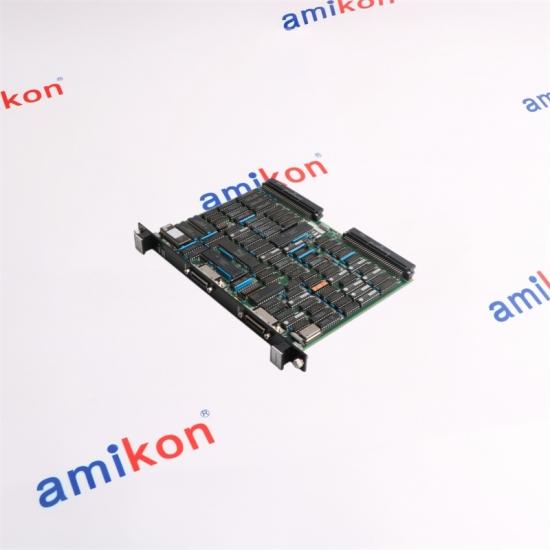
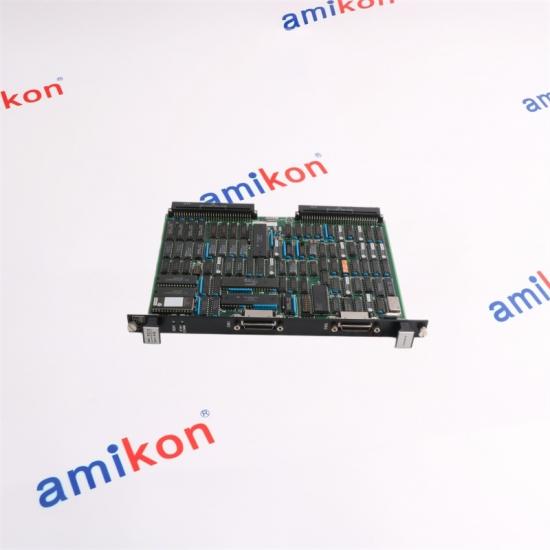
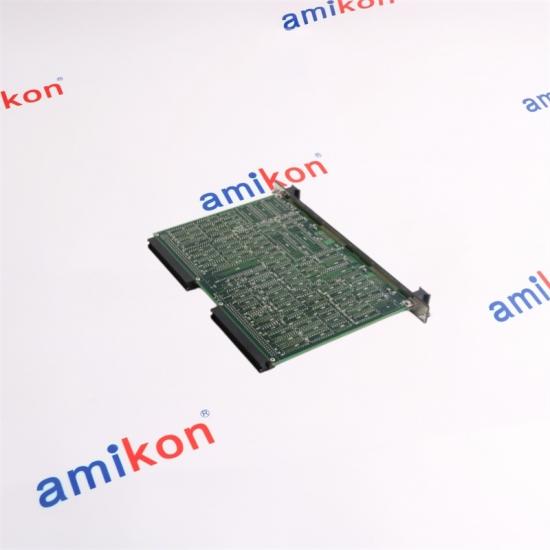
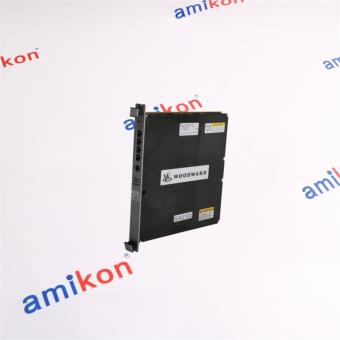
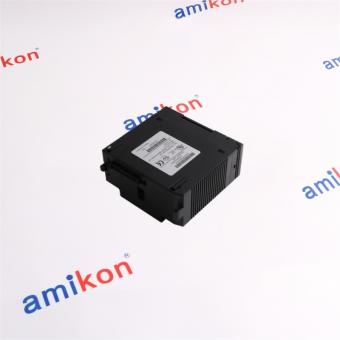
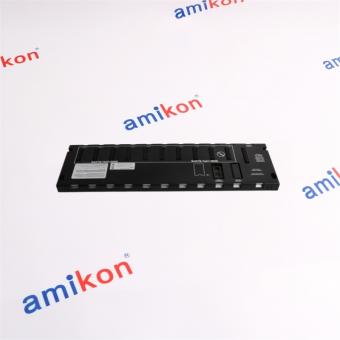
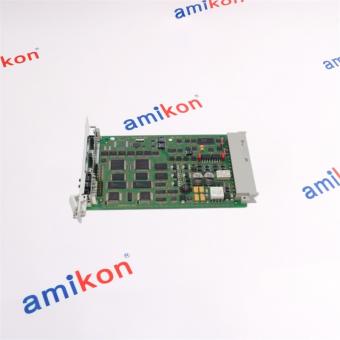
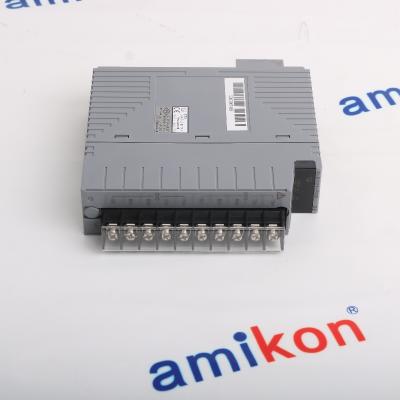
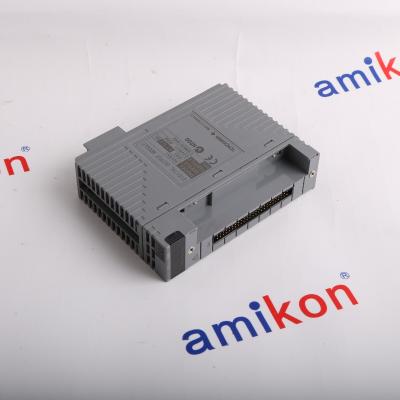
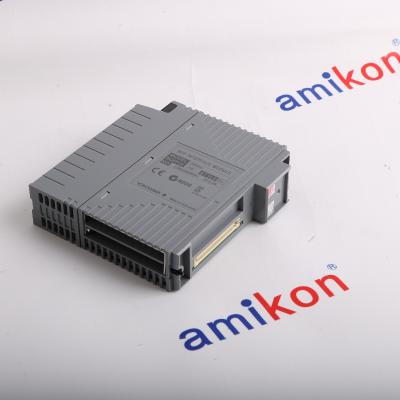
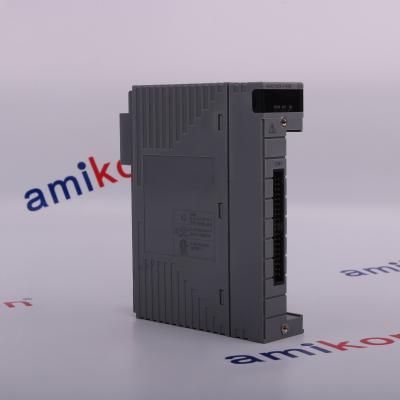
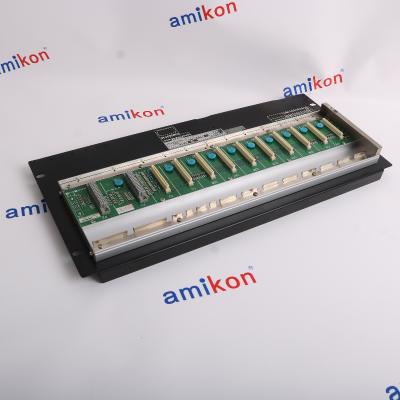
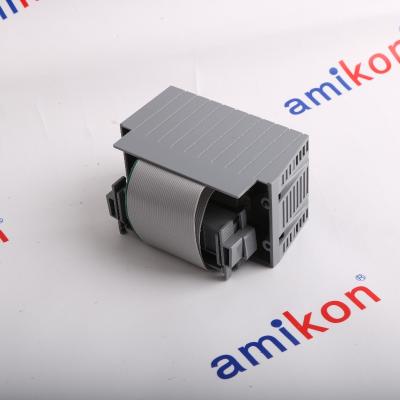
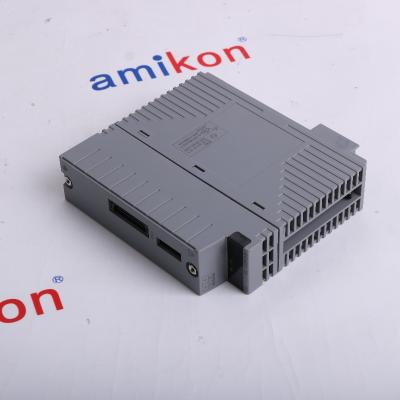
The Yokogawa FC11*A AS S9051BE-0 is a legacy industrial communication interface module used in Yokogawa distributed control systems. |
|
|
|
|
We are spare parts specialists in industrial automation!!!
² Inventory: A large number of new and discontinued parts with a wide range of brand names.
² Economic Benefits: Competitive Prices and Specific Distributor Discounts.
² Reliability: Each product is tested and guaranteed for at least 12 months.
² Speed: Rapid response, efficient delivery.
² Professional: Solid business organization, well-trained engineers.
² International: Global network of partners and preferred suppliers.
YOKOGAWA ⇒ JAPAN ⇒ FC11*A AS S9051BE-0
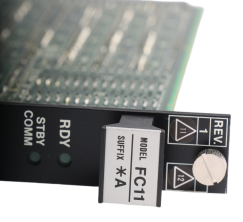
² Physical Dimensions: Measures approximately 1.9x18.7x26.4cm and weighs around 0.5 kg.
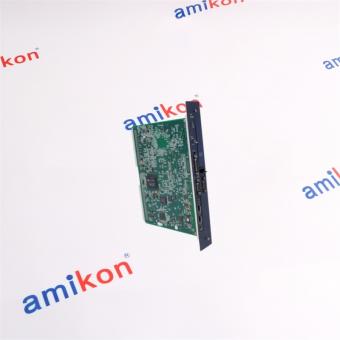
² On-Board Processors: Powered by legacy Motorola MC68B09EP microprocessors along with high-reliability NEC logic chips and Fujitsu components.
² Connection Interfaces: Features dual 50-pin front-facing connectors (CN1 & CN2) alongside standard backplane connectors.
² Environmental Range: Rated for stable operational performance in ambient temperatures ranging from 0°C to 50°C.
What is a distributed control system?
A Distributed Control System (DCS) is an automated control solution widely used in industrial plant operations. In the instrumentation industry, it’s commonly known as a DCS. Unlike centralized systems, a DCS decentralizes control by assigning controllers to individual pieces of equipment. This approach enhances system reliability and allows for efficient, long-term operation of large-scale plants, while also reducing labor requirements and improving operational efficiency.
1. Separation of Functions and Risk Distribution
Operator Interface vs. Controllers:
The operator interface (used for monitoring and operation) is separate from the controllers (which perform control calculations). This means that if the operator interface fails, the controllers continue to manage the process automatically, ensuring uninterrupted operation.
Decentralized Installation:
System components can be installed in various locations throughout the plant. With network connections—such as optical fiber—input/output (I/O) nodes can be placed close to the equipment, significantly reducing field wiring costs.
2. Enhanced Reliability and Maintainability
Fault Isolation:
If one controller fails, it does not impact the operation of other controllers. By assigning controllers to individual pieces of equipment, the risk of multiple systems becoming unmonitorable at once is minimized.
Planned Maintenance:
Maintenance can be performed on one piece of equipment at a time without disrupting the entire system, supporting continuous plant operation.
RECOMMENDED
|
Model |
Descripution |
|
SDV144-S53 S4 |
Digital Input Module |
|
AMM12 S3 |
Voltage Input Multiplexer Module |
|
PSCAIAAN A5E00247446/05 |
Critical Analog Input Module |
|
AIP502 S1 |
V-Net Coupler Module |
|
VI702 S1 |
VNET/IP INTERFACE CARD |
|
AAT141-S00 S2 |
Input Module |
|
AAI143-S00 S1 |
Analog Input Module |
|
EA1*A |
Signal Conditioner Cards |
|
ECO*A |
Signal Conditioner Cards |
|
ADV551-P53 S2 |
Digital Output Module |
|
OUR TEAM |
Large Inventory |
|
|
|
For more information, please contact us!!!
Contact: Miya zheng Email:sales@amikon.cn Phone/WhatsApp:86-18020776792


Inventory Products


More than 40.000.000 products available and worldwide support


 Trust Guaranteed
 Customer Support



 IPv6 network supported