

A small interface module can become a major maintenance concern when a turbine monitoring system has been operating for years. The Bently Nevada 86517-XX-XX-01-02 MOD:159840-1 shows how legacy hardware can remain closely tied to an active vibration channel.
The difficult part of maintaining an older monitoring system is often not the main rack. It is the smaller hardware around it: interface modules, transducers, cables and channel-specific components selected as part of one measurement chain. When one of these parts fails, the replacement decision can become more complicated than expected.

Aeroderivative gas turbines can remain in service for long periods because the machinery itself continues to perform. The vibration-monitoring system may also remain stable for years. During that time, however, the components around the monitor can move into a different stage of their service life.
That is where the 86517 becomes important. It is not the part operators see every day, but in an older accelerometer-based measurement chain, the interface module can sit between the sensing element and the monitoring channel. If the interface changes, the behavior of the channel can change with it.
The 86517 is used as an aeroderivative accelerometer interface module and can support acceleration and velocity measurement paths in compatible Bently Nevada systems. That makes it relevant not only for repair work, but also for plants considering how to maintain older field hardware while preparing for future modernization.
This creates a familiar maintenance situation. A plant may be preparing for a future upgrade while still needing to keep the existing system operating today. One interface-module replacement can therefore become both a repair decision and a lifecycle decision.
|
01
What is the exact configuration?
86517-XX-XX-01-02 contains configuration fields that matter when identifying a replacement.
|
02
What does the channel measure?
Acceleration, velocity and modified applications should not automatically be treated as the same use case.
|
03
What is connected after the interface?
The receiving monitor, input card and wiring arrangement all affect replacement compatibility.
|
Legacy industrial parts are often sourced under time pressure. A turbine is down, a channel is unavailable, and the most visible information on the old module is the base part number. That makes it tempting to treat another 86517 as equivalent.
The requested unit is identified as 86517-XX-XX-01-02 MOD:159840-1. The two “XX” fields and the MOD marking are part of the hardware identity. Ignoring them may turn a straightforward spare-parts purchase into a troubleshooting issue after installation.
Newer monitoring architectures can support a range of legacy transducer and interface arrangements. The 86517 can remain part of compatible acceleration and velocity measurement paths, giving plants more flexibility when planning a phased modernization.
That does not make every old installation plug-and-play. It does mean that a plant may not need to replace every field component on day one. A staged approach can keep the existing measurement chain operating while a newer monitoring platform is introduced in a controlled way.
When a vibration channel behaves differently after maintenance, teams may begin checking the sensor, cable, monitor, rack power and channel configuration. If the replacement interface is not an exact functional match, the investigation can consume far more time than the original part replacement.
This is why the MOD:159840-1 marking deserves attention. It should remain attached to the identification of the unit rather than being dropped from the sourcing request. The same applies to the two unspecified ordering fields.
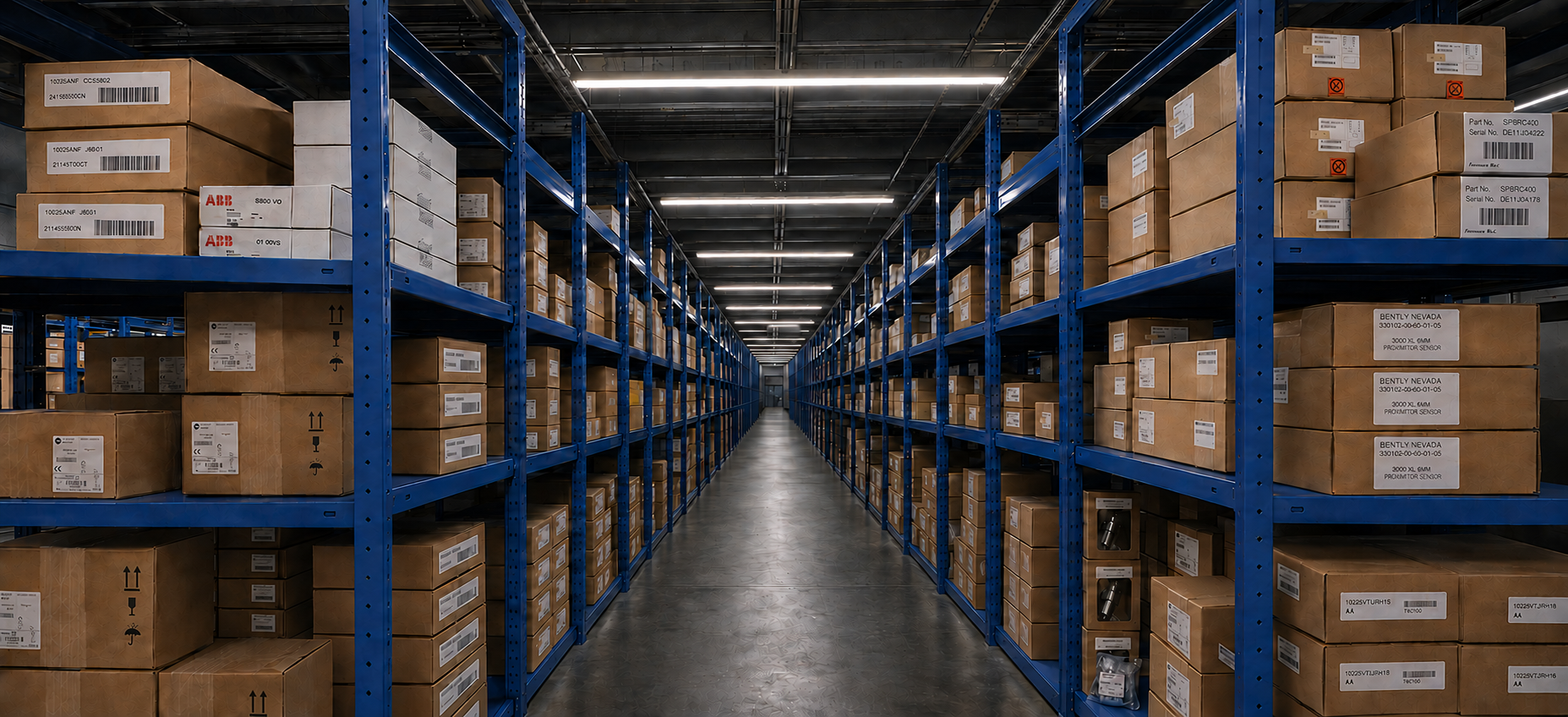
A simple audit of installed vibration hardware can prevent a rushed search later. For each 86517 in service, record the full part number, MOD marking, sensor type, cable arrangement, receiving monitor, input channel and machine location. Add clear front and nameplate photos.
The goal is not to create more paperwork. It is to make sure the next replacement starts with a known configuration instead of a partial model number. For aging turbine-monitoring systems, that small step can shorten sourcing time and reduce unnecessary troubleshooting.
The Bently Nevada 86517-XX-XX-01-02 MOD:159840-1 is easy to describe as an old interface module. That description misses the more important point. Its value comes from where it sits in the vibration-measurement chain and how closely its configuration is tied to the surrounding hardware.
For plants still running mature aeroderivative monitoring systems, the best strategy is not to wait until a module fails. Document the installed configuration now, keep the full identification intact, and treat replacement and modernization as related but separate decisions.
Send the complete part number and a clear nameplate photo when requesting availability. A complete configuration record makes replacement identification much easier.
Email Us Visit Amikon


 Trust Guaranteed
 Customer Support
 IPv6 network supported